
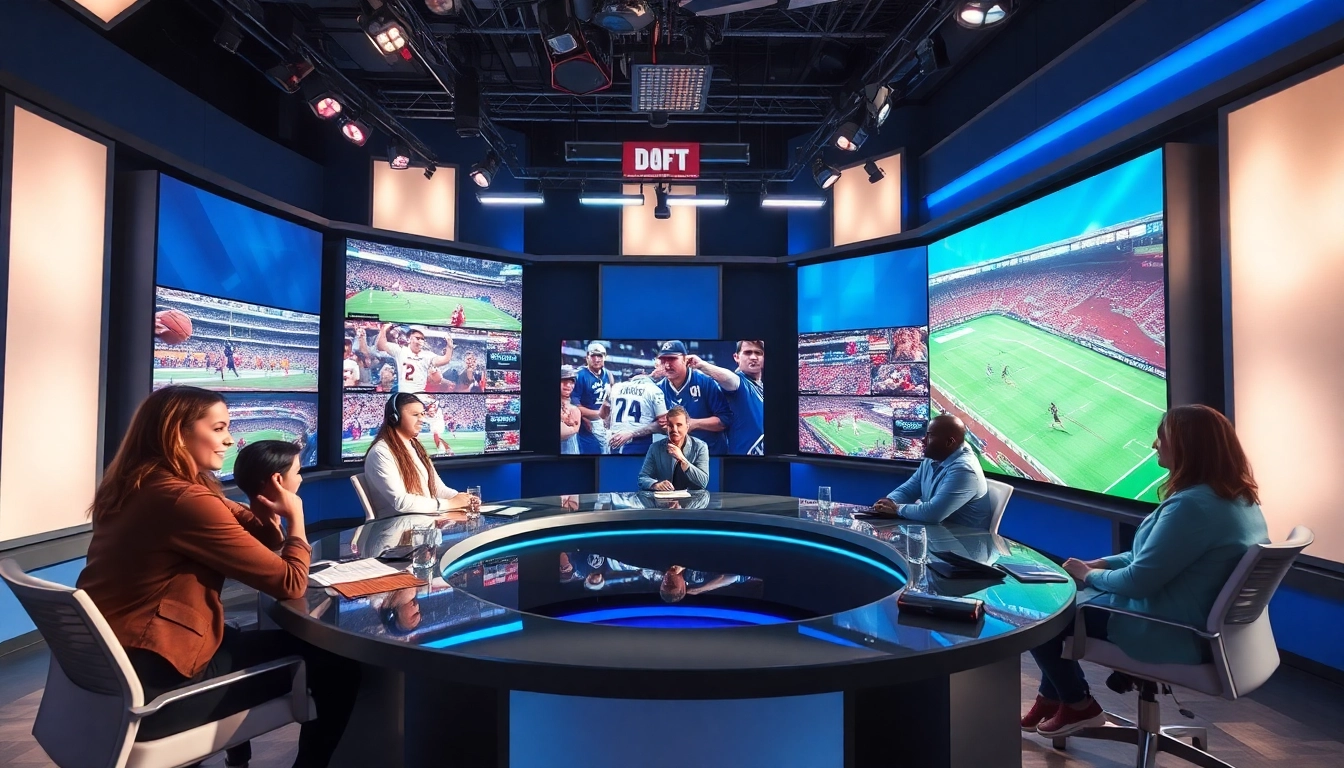
Introduction to Sports Broadcasting
What is Sports Broadcasting?
Sports broadcasting refers to the dissemination of live or recorded sporting events and related information via various platforms such as television, radio, and online streaming services. It encompasses everything from play-by-play commentaries to post-match analysis and highlights, aiming to engage audiences and create excitement around sporting events. With the rise of digital platforms, Sports Broadcasting has evolved to include interactive features that enhance viewer engagement and expand access to diverse audiences.
The Evolution of Sports Broadcasting
The roots of sports broadcasting can be traced back to the early 20th century when radio began to gain popularity. Major sporting events such as boxing and baseball were among the first to be broadcasted live. As technology advanced, so did the medium; television became the prominent platform in the mid-20th century, bringing sports into homes across the globe. The digital age has further transformed the landscape, introducing streaming services and social media platforms that allow for on-demand viewing and immediate interaction with content. This evolution reflects not only changes in technology but also shifts in audience expectations and consumption habits.
Importance of Sports Broadcasting Today
Today, sports broadcasting plays a crucial role in the sports industry and society. It serves as a primary source of information and entertainment for fans, allowing them to stay connected to their favorite teams and events. Broadcasting rights generate significant revenue for leagues and teams, and partnerships with broadcasters can influence the reach and visibility of sports. Moreover, broadcasting has the power to shape sports narratives, create community connections, and provide platforms for discussions on broader social issues that intersect with sports, such as equality and health.
Key Components of Successful Sports Broadcasting
Technology in Sports Broadcasting
Technological advancements are at the forefront of sports broadcasting. High-definition television, digital streaming, augmented and virtual reality, drones, and instant replay systems are some of the technologies revolutionizing how audiences experience sports. HD and 4K broadcasts offer enhanced visual clarity, while VR and AR create immersive experiences that engage users beyond traditional viewing. Furthermore, analytics technology provides real-time data that enriches storytelling, helping viewers understand complex plays and strategy.
Roles of Personnel in Sports Broadcasting
Successful sports broadcasting relies on a well-organized team of professionals. Play-by-play announcers, color commentators, reporters, and producers all play vital roles. Announcers deliver the excitement of the moment, while color commentators provide insight and analysis, enhancing the viewing experience. Reporters cover off-field stories, contributing depth to the broadcast. Behind the scenes, producers orchestrate the flow of the broadcast, making decisions that impact viewer engagement. Well-coordinated efforts among these personnel ensure seamless production and successful storytelling.
Content Creation and Curation
Creating compelling content is key to effective sports broadcasting. This includes not only coverage of live events but also creating features that delve into player profiles, team histories, and sports analysis. Curation of relevant content from across the internet enriches the offering, allowing audiences to engage with diverse perspectives and stories. The production of podcasts, videos, highlights, and interactive graphics can enhance viewer experience and foster a loyal audience base.
Challenges in Sports Broadcasting
Adapting to Rapid Changes in Media
The rapid pace of changing media landscapes presents significant challenges for sports broadcasters. Traditional viewing habits are declining as more audiences turn to on-demand and streaming options. This shift requires broadcasters to adapt their strategies to ensure they remain relevant and accessible. Knowing which platforms to focus on, utilizing data analytics to observe audience preferences, and being flexible to changes in consumption patterns are critical for survival in this dynamic field.
Audience Engagement and Retention
Engagement and retention are ongoing challenges for sports broadcasters. The competition for viewers’ attention is fierce, with numerous entertainment options available. To captivate audiences, broadcasters must develop interactive elements such as social media polls, live Q&A sessions, and fan-driven content. Employing personalization strategies to deliver tailored content can improve viewer retention and cultivate a more dedicated audience.
Managing Live Event Coverage
Live event coverage can be unpredictable, requiring quick thinking and adaptability. Managing technical difficulties, coordinating multiple camera angles, and ensuring smooth transitions are essential skills for successful live broadcasting. A comprehensive understanding of the event being covered is vital, enabling broadcasters to anticipate changes and convey the action effectively to viewers. Establishing protocols for unexpected occurrences can enhance preparedness and improve overall broadcast quality.
Best Practices for Sports Broadcasting
Choosing the Right Equipment
The quality of broadcast equipment significantly affects the viewer experience. Choosing the right cameras, sound equipment, and editing software can make a noticeable difference in production quality. High-definition cameras provide stunning visuals, while quality microphones ensure clear sound. It’s also important to invest in reliable encoding and streaming technology to provide seamless online experiences for viewers.
Effective Communication Strategies
Effective communication strategies are essential within the broadcasting team and between broadcasters and their audiences. Clear and concise communication during broadcasts can enhance storytelling and maintain viewer interest. Consistent messaging across platforms builds credibility and trust with audiences. Training and workshops for announcers and presenters can improve their delivery and engagement skills, making broadcasts more appealing.
Utilizing Social Media for Engagement
Social media has become an invaluable tool for sports broadcasting. Engaging with fans through platforms like Twitter, Instagram, and Facebook can enhance the broadcasting experience and create community around the events. Sharing live updates, behind-the-scenes content, and interactive posts encourages audience participation. Utilizing social media analytics can also provide insights into audience preferences, which can guide content creation and engagement strategies.
Future Trends in Sports Broadcasting
Innovations in Technology
The future of sports broadcasting will likely be shaped by ongoing technological innovations. Machine learning and AI are emerging tools for analyzing viewer engagement and preferences, allowing for more personalized broadcasting experiences. Integrating more advanced technologies like 5G will reduce latency and enhance real-time interactions. As these technologies evolve, so will the potential to create unique, interactive experiences that redefine how audiences engage with sports.
Shifts in Audience Behavior
As younger generations become more prominent in the audience landscape, shifts in viewing behaviors are inevitable. The demand for authenticity and transparency is rising, meaning broadcasters must adapt their content to meet these expectations. Furthermore, the growing trend of mobile viewing necessitates that sports broadcasting develops user-friendly apps and platforms to reach audiences on the go. Understanding these behavioral shifts will enable broadcasters to remain relevant and capture new viewer demographics.
Global Expansion of Sports Broadcasting
The globalization of sports broadcasting is opening new opportunities for content distribution. League partnerships with international broadcasters and the rise of streaming services have made it possible to reach underserved markets globally. This expansion allows sports leagues and teams to grow their fan bases and increase revenue through international rights deals. Navigating the legal and cultural complexities of these markets will also be essential to successful global expansion.
FAQs about Sports Broadcasting
1. What platforms are used in sports broadcasting?
Sports broadcasting utilizes television, radio, online streaming, and social media platforms to reach audiences. Each platform offers unique benefits for engaging viewers.
2. How has technology impacted sports broadcasting?
Technology has transformed sports broadcasting by enhancing visual quality, enabling real-time data analytics, and creating interactive viewer experiences through AR and VR.
3. What are the essential roles in sports broadcasting?
Key roles include play-by-play announcers, color commentators, sports reporters, and producers, all of whom contribute to a dynamic broadcasting experience.
4. How do broadcasters engage with audiences?
Broadcasters engage audiences through social media, interactive content, live polls, and personalized messaging to foster community and retain viewer interest.
5. What are future trends in sports broadcasting?
Future trends include the adoption of AI for content personalization, the use of 5G for better streaming experiences, and the global expansion of sports media rights.