
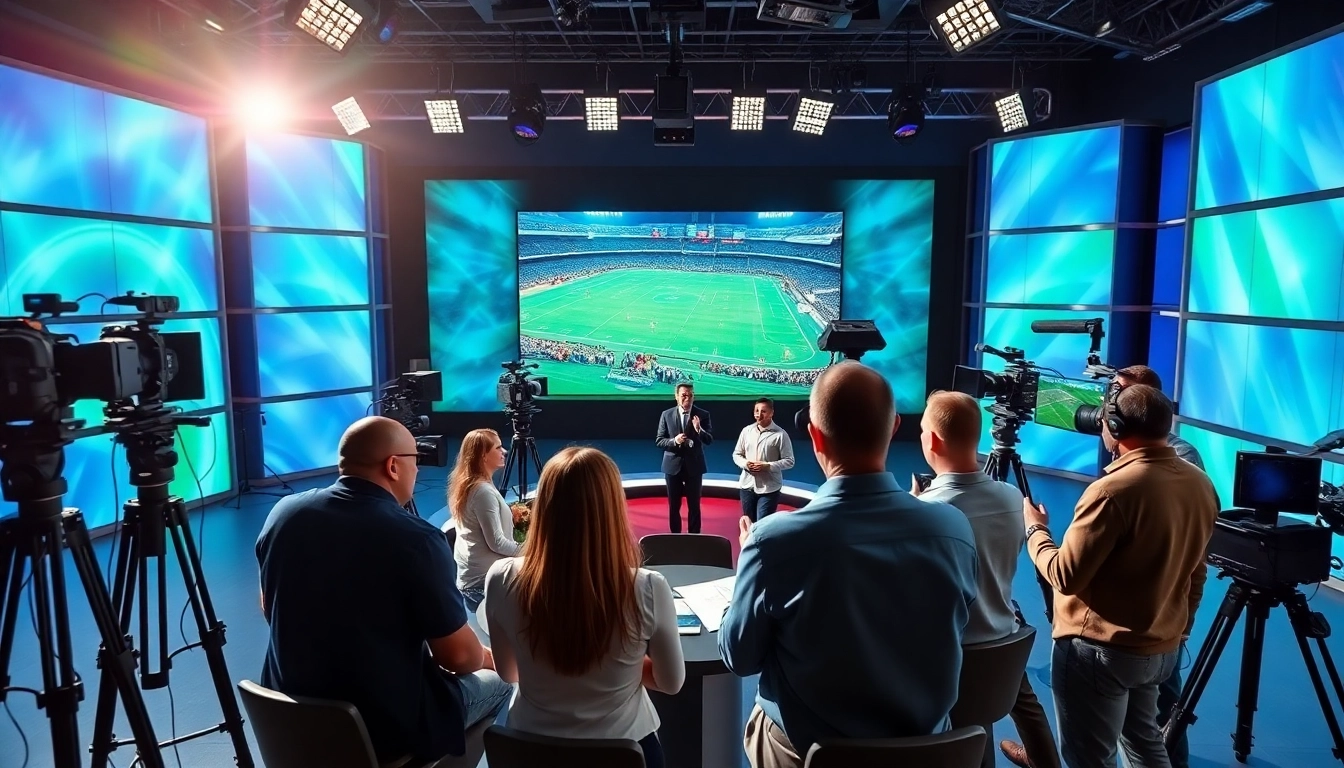
Understanding Sports Broadcasting
Definition and Scope of Sports Broadcasting
Sports broadcasting encompasses the live, recorded, or otherwise mediated transmission of sporting events through various platforms, including television, radio, and digital media. It plays a crucial role in delivering high-stakes athletic entertainment to audiences globally, significantly enhancing the sports industry by providing exposure and marketing opportunities to teams and athletes alike. With the rise of online platforms, sports broadcasting has expanded its reach, enabling fans to engage with their favorite teams and events in unprecedented ways. For comprehensive insights into the evolving landscape of Sports Broadcasting, it's vital to explore its definitions and the myriad of platforms facilitating this experience.
History of Sports Broadcasting
The journey of sports broadcasting began in the early 20th century, with the first live radio broadcasts occurring in the 1920s. The first-ever play-by-play radio broadcast of a sports event happened during the 1921 baseball game between the Philadelphia Phillies and the Pittsburgh Pirates. As technology advanced, the 1930s saw the advent of television broadcasts, revolutionizing the way fans consumed sports content. Iconic events such as the 1936 Berlin Olympics were pivotal in showcasing the power of televised sports, capturing the interest of millions worldwide. Over the decades, developments in satellite technology, cable networks, and the internet have expanded access and variety in sports coverage, transforming it into a multi-billion-dollar industry.
Key Elements of Successful Broadcasts
Successful sports broadcasts hinge on several key elements: high-quality visuals and audio, knowledgeable commentators, engaging graphics, and a solid operational team executing the technical aspects. Various camera angles, including close-ups and aerial shots, enhance the viewer experience, allowing fans to appreciate the nuances of the game. Furthermore, compelling storytelling and expert analysis enrich the narrative, keeping the audience engaged. An efficient crew behind the scenes ensures that the broadcast runs smoothly, maximizing viewer enjoyment. Integral to this success is the careful consideration of the target audience, which shapes the content and style of the broadcast.
Technology in Sports Broadcasting
Role of Cameras and Equipment
The technology used in sports broadcasting continues to evolve, significantly affecting how viewers experience games. High-definition cameras, drone footage, and 360-degree streaming capabilities allow audiences to experience every moment vividly. Sophisticated equipment ensures that every play is captured, from slow-motion replays to dynamic angles. Innovations in graphics technology now enable broadcasters to overlay statistics and information in real-time, further engaging the audience. The seamless integration of these elements provides a more immersive experience that enhances viewer satisfaction.
Importance of Live Streaming Platforms
Live streaming platforms have emerged as game-changers, particularly for sports broadcasting. Services like OTT (over-the-top) platforms allow fans to stream games on-demand, adapting to their schedules and preferences. This shift has catered to younger audiences who prefer viewing content on mobile devices rather than traditional TV setups. The flexibility and accessibility provided by live streaming services have also diversified revenue streams for teams and broadcasters, enabling subscriptions, ad revenue, and pay-per-view options.
Future Innovations in Sports Broadcasting Technology
As technology advances, future innovations such as augmented reality (AR), virtual reality (VR), and artificial intelligence (AI) are likely to shape the next era of sports broadcasting. AR can provide viewers with interactive elements, such as real-time stats and player information, enhancing their engagement. VR may offer fans an immersive experience, allowing them to feel as if they are part of the event itself, sitting in the front row or even on the sidelines. AI can improve broadcast quality by predicting optimal camera angles and providing instant analysis, creating a more enriching viewing experience.
Audience Engagement Strategies
Building a Community Around Sports
Building a community around sports broadcasting is essential for fostering loyalty among viewers. Engaging fans through events, fan clubs, and interactive content enhances their connection to the sport. Networks can leverage user-generated content, encouraging fans to share their perspectives on social media or even during live broadcasts. Creating a sense of belonging and community contributes to a more dedicated and vocal fan base, serving to elevate both the sport and its broadcasters.
Utilizing Social Media
Social media has transformed audience engagement in sports broadcasting. Platforms like Twitter, Instagram, and TikTok enable broadcasters to interact directly with fans, share highlights, and create buzz around upcoming events. Real-time engagement during live broadcasts allows fans to discuss plays and express opinions, adding a layer of excitement to the experience. Broadcasts that effectively utilize social media tend to develop a younger and more active following, tapping into this demographic's expectations for instant gratification and continuous connectivity.
Engaging Content Formats: Highlights and Analysis
Engaging content formats play an essential role in keeping audiences involved with sports broadcasts. Highlights reel featuring the best moments of games generate excitement and provide shareable content that can drive viewership. In-depth analysis and pre-game or post-game shows help fans understand the strategic aspects of the sport, thereby enhancing their appreciation. Utilizing diverse content types, including behind-the-scenes access and player interviews, nurtures a multi-faceted experience that attracts different segments of the audience.
Challenges in Sports Broadcasting
Addressing Technical Difficulties
Despite advancements in technology, technical difficulties remain a challenge in sports broadcasting. Issues like poor connectivity, equipment failures, and power outages can disrupt live broadcasts. Developing contingency plans that include backup equipment and a trained operational team are essential for minimizing these disruptions. Regular training and rehearsal sessions can prepare the team to handle possible challenges efficiently, ensuring minimal impact on the viewer experience.
Navigating Broadcast Rights and Regulations
Navigating broadcast rights and regulations can be complex and requires a deep understanding of legal frameworks. Broadcasters must secure rights for the events they wish to cover, often negotiating contracts that can involve significant sums. Moreover, understanding local broadcasting regulations is essential to ensure compliance with laws that govern media and advertising in different jurisdictions. Building relationships with sports organizations and legal counsel in the industry can help broadcasters navigate these complexities smoothly.
Keeping Up with Audience Expectations
As viewer preferences and technologies evolve, keeping up with audience expectations is a significant challenge for broadcasters. Fans increasingly demand personalized viewing experiences, high-quality content, and real-time interaction. To address these challenges, broadcasters must continuously adapt by integrating viewer feedback into their strategies, analyzing trends, and implementing innovations that improve overall satisfaction. Staying attuned to these changes enables broadcasters to remain relevant and competitive.
Measuring Success in Sports Broadcasting
Key Performance Indicators for Broadcasters
Success in sports broadcasting can be measured through various key performance indicators (KPIs). Metrics such as viewership numbers, audience retention rates, and social media interaction provide valuable insights into audience engagement. Moreover, analyzing frequency and duration of viewership helps understand content effectiveness, enabling broadcasters to refine their programming strategies. Understanding which types of content lead to higher engagement allows broadcasters to optimize future broadcasts.
Analyzing Viewer Engagement and Feedback
Gathering and analyzing viewer feedback is crucial for broadcasters to understand their audience's preferences. Surveys, online polls, and social media discussions provide insights into what viewers appreciate and desire in broadcasts. Moreover, analyzing viewer engagement during live events—such as the number of concurrent viewers and engagement rates on social media posts—offers a comprehensive view of audience interaction. By systematically collecting and analyzing this data, broadcasters can make more informed decisions regarding programming and content creation.
Iterating and Improving Broadcasting Strategies
Continuous improvement is essential in sports broadcasting. Based on the KPIs and viewer feedback, broadcasters must be willing to iterate on their strategies. This includes experimenting with new formats, adjusting broadcast times, and refining audience engagement tactics. Staying agile enables sports broadcasters to respond to changing preferences and emerging technologies, ultimately leading to enhanced viewer satisfaction and loyalty.
FAQs about Sports Broadcasting
What is Sports Broadcasting?
Sports broadcasting refers to the live or recorded transmission of sports events through television, radio, or digital platforms, allowing fans to access games and related content.
How has technology impacted sports broadcasting?
Technology has revolutionized sports broadcasting by introducing high-definition visuals, live streaming, and interactive features that enhance the viewer experience.
What role does social media play in sports broadcasting?
Social media enhances audience engagement by enabling direct interaction between broadcasters and fans, promoting events, and sharing highlights in real-time.
What are key performance indicators for broadcasters?
Key performance indicators for broadcasters include viewership numbers, audience retention, social media interaction, and viewer feedback, all critical for measuring success.
What challenges do sports broadcasters face?
Challenges include technical difficulties, navigating broadcast rights and regulations, and keeping up with changing audience expectations in a competitive landscape.