1. Understanding Mitsubishi Mini Split AC and Its Benefits
1.1 What is a Mitsubishi Mini Split AC?
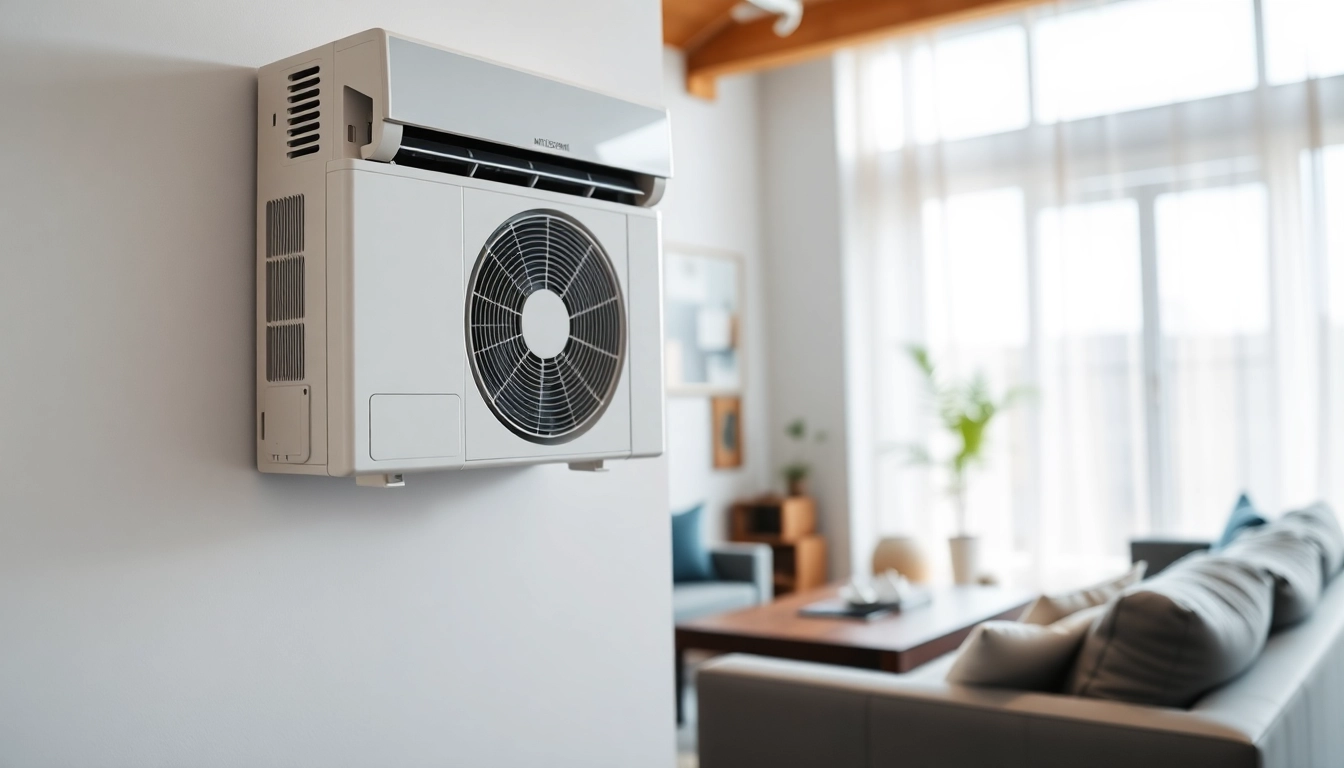
The Mitsubishi mini split AC is a versatile and efficient air conditioning system designed for targeted cooling, making it a favored choice for residential and commercial properties alike. Unlike traditional central air systems that distribute air through ducts, mini splits utilize individual indoor units connected to a single outdoor compressor. This system allows for customizable temperature controls in different rooms or zones, leading to increased energy efficiency and comfort.
1.2 Key Advantages of Mitsubishi Mini Split AC
Mitsubishi mini split AC systems come equipped with multiple benefits that enhance their appeal. The notable advantages include:
- Zone Cooling: Offers the ability to cool or heat individual rooms, reducing energy consumption.
- Easy Installation: Mini splits require minimal ductwork compared to central systems, allowing for flexible installation options.
- Quiet Operation: These units operate at low noise levels, creating a peaceful environment in your home or office.
- Energy Efficiency: High SEER (Seasonal Energy Efficiency Ratio) ratings help you save on energy bills while maintaining comfort.
- Aesthetic Appeal: Sleek design options that can blend seamlessly into interior spaces.
1.3 Energy Efficiency: Why It Matters
Energy efficiency is a critical factor when choosing any HVAC system. The mitsubishi mini split ac is known for its innovative technology that minimizes energy consumption. These systems consume less power than traditional air conditioners, translating to lower electric bills and reduced carbon footprints. In a world increasingly concerned with climate change, investing in energy-efficient systems is a significant step toward sustainability while maintaining comfort.
2. How to Choose the Right Mitsubishi Mini Split AC
2.1 Assessing Your Space Requirements
Before purchasing a Mitsubishi mini split AC, evaluating your space is crucial. This assessment involves determining the size of your rooms, layout, insulation quality, and the number of rooms needing air conditioning. Each of these factors influences the cooling load required. You can use online calculators or consult HVAC professionals to find the appropriate BTU (British Thermal Unit) rating suitable for your space.
2.2 Evaluating Performance Ratings
When comparing Mitsubishi mini split AC models, pay close attention to performance ratings, including SEER and EER (Energy Efficiency Ratio). A higher SEER rating indicates better energy efficiency and performance during peak cooling hours. Consider your local climate and how often you’ll be using the AC; this knowledge will help you choose a unit that not only fits your budget but also offers maximum efficiency throughout its lifespan.
2.3 Cost Factors and Budgeting
While Mitsubishi mini split AC systems offer long-term savings through energy efficiency, initial costs can vary significantly based on the model and installation requirements. It is essential to budget for both the unit itself and installation costs. Consider factors such as additional zoning capabilities, advanced features like smart technology, and warranties, as these can influence your total investment.
3. Installation Guide for Mitsubishi Mini Split AC
3.1 Do-It-Yourself vs. Professional Installation
Installing a Mitsubishi mini split AC can be a DIY project for skilled homeowners, but professional installation is highly recommended for optimal performance and adherence to local building codes. Professionals can ensure that your system is installed correctly, minimizes refrigerant loss, and optimally aligns indoor units with the outdoor compressor for maximum efficiency.
3.2 Essential Tools and Materials Needed
If you choose to install the system yourself, gather all necessary tools and materials in advance. Essential items typically include a cordless drill, screwdrivers, a level, a vacuum pump, and refrigerant gauge set. Additionally, have the installation manual on hand for reference to ensure every step of the process is executed correctly.
3.3 Step-by-Step Installation Process
The installation process for a Mitsubishi mini split AC involves a few critical steps:
- Choose the Location: Select a mount location for the indoor unit that allows for optimal airflow and accessibility.
- Mount the Indoor Unit: Secure the mounting bracket to the wall and attach the indoor unit.
- Install the Outdoor Unit: Position the outdoor unit on a level surface, ideally away from direct sunlight or other potential obstructions.
- Connecting Refrigerant Lines: Carefully connect the refrigerant lines between the indoor and outdoor units as per the manufacturer’s instructions.
- Electrical Wiring: Connect the necessary electrical lines ensuring compliance with local codes.
- Testing the System: Conduct a thorough test of all components to ensure proper installation before completing setup.
4. Maintenance Tips for Long-Lasting Performance
4.1 Regular Cleaning and Filter Replacement
To extend the lifespan and efficiency of your Mitsubishi mini split AC, establish a routine maintenance schedule. Regularly clean the filters, blowers, and coils to ensure optimal airflow and air quality. Most filters should be replaced or cleaned every few months, depending on usage and environmental factors.
4.2 Troubleshooting Common Issues
Common issues with mini split systems include inadequate cooling, unusual noises, and frequent cycling. Often, simple solutions like cleaning filters, checking thermostat settings, or inspecting the refrigerant levels resolve these problems. However, for persistent issues, consulting a certified technician is recommended to avoid further complications.
4.3 Scheduling Professional Inspections
While regular DIY maintenance is essential, annual professional inspections are equally important. Trained technicians can conduct in-depth maintenance checks, identify potential issues early, and ensure the system operates correctly. This proactive approach usually prevents costly repairs down the line.
5. Frequently Asked Questions
5.1 How much does a Mitsubishi Mini Split AC cost?
The cost of a Mitsubishi mini split AC typically ranges from $1,500 to $5,000, based on the model, installation requirements, and features.
5.2 How efficient is the Mitsubishi Mini Split AC?
Mitsubishi mini split AC systems are known for high efficiency, often exceeding SEER ratings of 20, which can result in significant energy savings.
5.3 What is the lifespan of a Mitsubishi Mini Split AC?
With proper maintenance, Mitsubishi mini split AC units can last between 15-20 years, making them a durable choice for climate control.
5.4 Can I install a Mitsubishi Mini Split AC myself?
Yes, some homeowners can install the unit themselves, but professional installation is recommended for optimal performance and compliance with building codes.
5.5 What size Mitsubishi Mini Split AC do I need?
The size of the unit you need depends on the square footage of the space you wish to cool, typically measured in BTUs. Consult a professional for specific calculations.