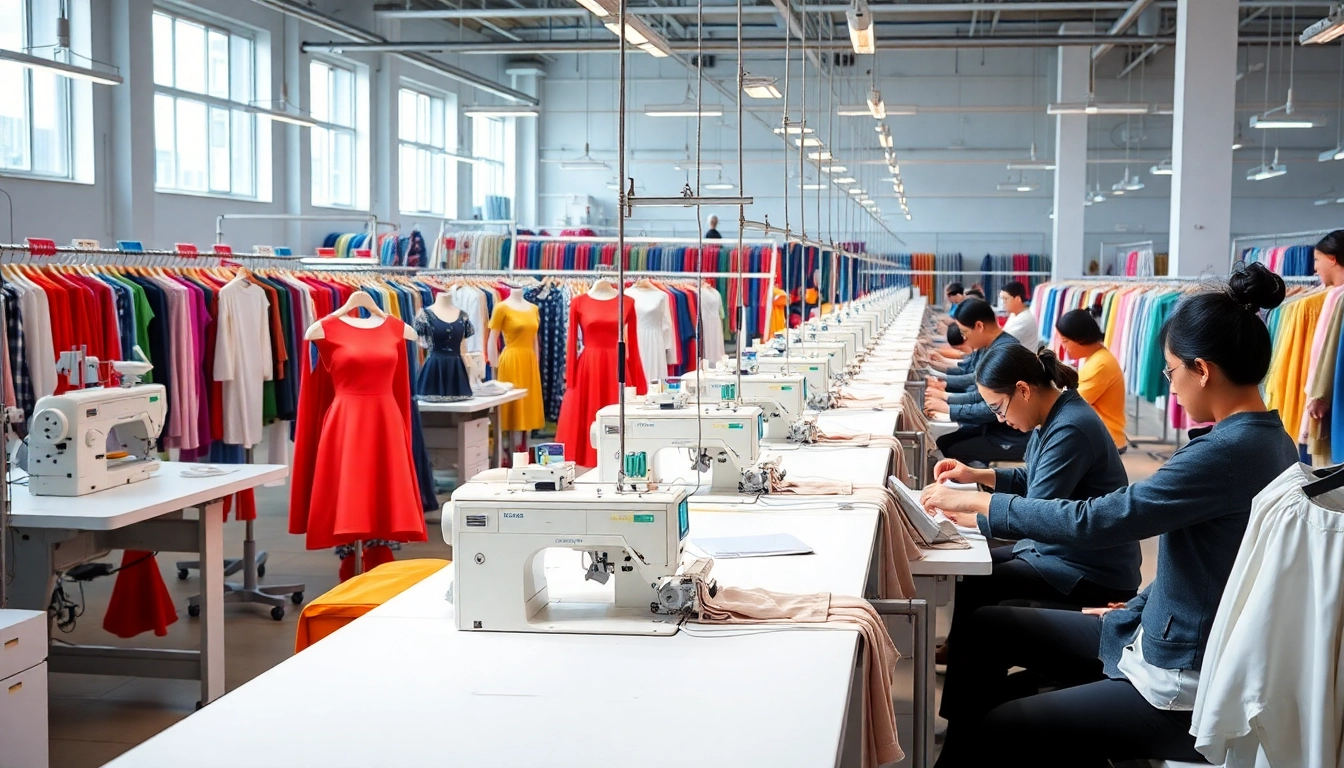
Overview of Clothes Factory China
Clothing manufacturing has seen a significant transformation over the decades, with Clothes Factory China emerging as a cornerstone in the global textile industry. This article delves deep into the historical context, current trends, and geographical significance shaping this dynamic terrain. Understanding these fundamentals helps industry professionals and consumers comprehend the evolving landscape of clothing production.
Historical Context of Clothing Manufacturing
The roots of clothing manufacturing can be traced back thousands of years, but modern clothing factories began taking shape during the Industrial Revolution. The introduction of machinery and mass production techniques revolutionized the industry, enabling the efficient creation of garments at scale. It wasn’t until the late 20th century that China began positioning itself as a global hub for garment production, leveraging its vast labor force and investments in technology to enhance productivity.
In the late 1980s and early 1990s, China’s entry into the World Trade Organization (WTO) further accelerated its growth in apparel manufacturing. Global brands sought out Chinese factories due to cost-effective production capabilities and speed to market. Over the years, China has become synonymous with fast fashion, producing trendy garments faster than ever before, while also diversifying its production capacities to include high-quality apparel.
Current Trends in Textile Production
As the textile industry continues to evolve, several key trends are shaping production in the Clothes Factory China. Firstly, sustainability has become a critical focus. Manufacturers are increasingly looking for ways to produce clothing that minimizes environmental impact. This includes using eco-friendly fabrics, reducing water usage, and adopting more efficient manufacturing processes. Brands are now prioritizing sustainability in their operations, an expectation from mindful consumers who are increasingly aware of their purchasing choices.
Secondly, technology integration in manufacturing processes is on the rise. Innovations such as automation, Artificial Intelligence (AI), and data analytics are being adopted to streamline production lines, optimize inventory management, and enhance design processes. Additionally, digital platforms are transforming supply chain logistics, allowing manufacturers to respond quicker to market demands.
Lastly, customization and on-demand production are gaining traction. Consumers are looking for unique apparel pieces, prompting many manufacturers to adopt just-in-time production strategies to accommodate these preferences without overhauling entire inventory systems.
Geographical Significance in Global Supply Chains
China’s geographical location plays a significant role in its textile supply chains. Being strategically placed near major shipping routes facilitates the distribution of goods to key markets such as North America and Europe. Furthermore, the establishment of special economic zones has attracted foreign investment and provided manufacturers with the necessary infrastructure to thrive.
Regional variations in manufacturing capabilities also contribute to China’s complexities. For instance, provinces like Guangdong are known for their expertise in casual wear production, while Zhejiang is recognized for high-quality textile production. This geographical diversity allows for a specialization that enhances China’s overall competitiveness in the global market.
Types of Garments Produced in Clothes Factory China
The diversity in production capabilities within the Clothes Factory China enables it to manufacture a wide array of garments catering to various fashion trends and consumer needs.
Casual Wear and Street Fashion
Casual wear dominates the landscape of clothing production in China. With the rise of street fashion culture and a younger demographic favoring comfort and style, manufacturers are increasingly producing trendy casual wear ranging from T-shirts to joggers. The integration of unique prints, fabrics, and styles has made Chinese factories a go-to source for brands wanting to tap into this market.
The flexibility of production lines allows for quick turnaround times, enabling manufacturers to keep pace with fast-moving fashion trends. Seasonal collections are often launched to reflect changing consumer preferences, and the influence of social media further drives the demand for unique yet affordable streetwear.
Formal Attire Production
In addition to casual clothing, China excels in formal attire manufacturing. With a focus on quality craftsmanship, many factories produce suits, dresses, and business attire that meet international standards. Enhanced fabric technologies and access to premium textiles enable manufacturers to create high-quality formal garments that appeal to corporate markets around the world.
Quality control measures are paramount in this production segment, as formal wear needs to adhere to specific aesthetic and functional standards. Manufacturers often conduct rigorous testing and adopt best practices to ensure that their formal garments are not just stylish but also durable and comfortable.
Sportswear and Functional Clothing
The sportswear segment continues to grow exponentially, driven by a global increase in fitness trends and athleisure wear. Clothes Factory China has adapted to this demand by enhancing its capabilities in producing functional clothing that offers performance benefits while maintaining comfort and style.
With advancements in fabric technology, especially in moisture-wicking and breathable materials, Chinese factories can cater to the specific needs of athletes and fitness enthusiasts. This includes garments designed for various sports and activities, including running, yoga, and outdoor adventures, ensuring that performance meets fashion sensibilities.
Quality Assurance in Clothes Factory China
Quality assurance is a critical aspect of garment production, especially in a competitive market. The Clothes Factory China emphasizes strict quality control measures to ensure products meet both domestic and international standards.
Methods for Quality Control
Manufacturers adopt various quality control methods throughout the production process. This includes inspections at multiple stages, from raw material selection to final garment assembly. Quality inspectors are tasked with identifying defects and ensuring compliance with specified standards.
Statistical Process Control (SPC) is commonly employed, enabling manufacturers to monitor production processes and identify potential issues before they escalate. This methodological approach ensures that quality is consistently maintained across all production lines.
Importance of Fabric Testing
Fabric testing plays a significant role in the quality assurance process. Before any production begins, it is vital to assess the fabric’s characteristics, including durability, colorfastness, and elasticity. This helps in selecting the right materials that meet the targeted garment specifications.
Advanced testing technologies utilize both physical and chemical evaluations to ensure that fabrics withstand wear and perform as intended. By investing in fabric testing, manufacturers not only enhance product quality but also mitigate risks associated with returns and customer dissatisfaction.
Compliance with International Standards
Compliance with international quality standards, such as ISO certifications, is vital for manufacturers aiming to enter global markets. Clothes Factory China adheres to these standards, which encompass various factors including worker’s safety, environmental sustainability, and social responsibility.
By maintaining these certifications, factories can assure buyers that their products are ethically produced and safe for consumers. This not only boosts credibility but also fosters long-term relationships with brands that prioritize responsible sourcing.
Challenges Faced by Clothes Factory China
While the benefits of manufacturing in China are vast, challenges persist. Addressing these issues is essential for sustained growth and competitiveness in the global market.
Labor Issues and Workforce Management
Labor issues remain a significant challenge for the clothing manufacturing sector. The demand for lower production costs has often led to labor exploitation claims, creating negative public perceptions. Maintaining a fair and competent workforce is vital for the sustainability of the industry.
Moreover, as labor costs rise and new generations of workers seek different employment, factories face shortages of skilled labor. Implementing better working conditions, fair wages, and training programs can help retain talent while fostering a positive work culture that enhances productivity.
Environmental Regulations and Sustainability
With increasing global awareness regarding environmental issues, sustainability has become paramount. Factories are under pressure to comply with strict environmental regulations. Managing waste, reducing carbon footprints, and utilizing eco-friendly materials are becoming essential practices.
In response, many manufacturers are investing in green technologies to minimize their environmental impact. Brands are also urging their partners to adopt sustainable practices, signifying a collective shift toward more responsible production methods.
Supply Chain Disruptions
Supply chain disruptions, particularly those caused by global events such as pandemics or trade disputes, can significantly impact the production timelines of Clothes Factory China. Manufacturing relies heavily on a tightly coordinated system, where delays at any point can lead to cascading effects on delivery schedules.
To mitigate these risks, manufacturers are diversifying their sourcing strategies and enhancing their inventory management systems. Flexibility in supply chain operations is crucial to adapt to unexpected challenges and maintain operations effectively.
The Future of Clothes Factory China
Looking ahead, the future of clothing manufacturing in China is poised for further transformation. Trends such as technology adoption, shifting consumer preferences, and adaptable strategies will dictate the next chapter of this industry.
Technological Innovations in Manufacturing
Technological advancements will continue to redefine the landscape of Clothes Factory China. Innovations such as 3D printing, automated cutting machines, and AI-driven design programs are set to enhance efficiencies and reduce waste.
Technology not only speeds up the manufacturing process but also allows for greater customization, catering to the increasing demand for personalized garments. Investing in these technologies will enable factories to remain competitive in a rapidly changing market.
Shifts in Consumer Preferences
As consumer preferences evolve, manufacturers need to adapt accordingly. There is a growing demand for transparency in production processes and ethical sourcing. Brands that prioritize sustainability and ethical considerations will likely resonate more with consumers, pushing factories to adopt these practices.
Moreover, an upswing in online shopping necessitates that manufacturers respond swiftly to trends, which challenges traditional production timelines. Embracing flexible manufacturing models will be critical to meet these new consumer expectations.
Strategies for Competitive Advantage
To maintain a competitive edge, clothing factories in China must focus on agility and innovation. Developing strategic partnerships with technology providers can help facilitate advancements while exploring new markets can diversify revenue streams.
Additionally, continuous investment in workforce training and development ensures that labor remains skilled and responsive to changes in production demands. Engaging in proactive risk management strategies will also help factories navigate an increasingly complex global landscape.
FAQs
What types of garments are produced in factories in China?
Factories in China produce a wide variety of garments, including casual wear, formal attire, sportswear, and functional clothing, catering to diverse consumer needs.
How does China ensure quality in clothing manufacturing?
Quality is ensured through rigorous testing procedures, statistical process control, and compliance with international standards to meet consumer expectations.
What challenges do clothing factories in China face today?
Factories face labor issues, environmental regulations, and supply chain disruptions, which can affect production timelines and operational efficiency.
What role does technology play in clothing manufacturing in China?
Technology facilitates automation, improves efficiency, enables customization, and promotes sustainable practices in the clothing manufacturing process.
What is the future outlook for clothing factories in China?
The future of clothing factories in China looks promising, focusing on technological innovation, sustainability, and adapting to consumer preferences for personalized products.