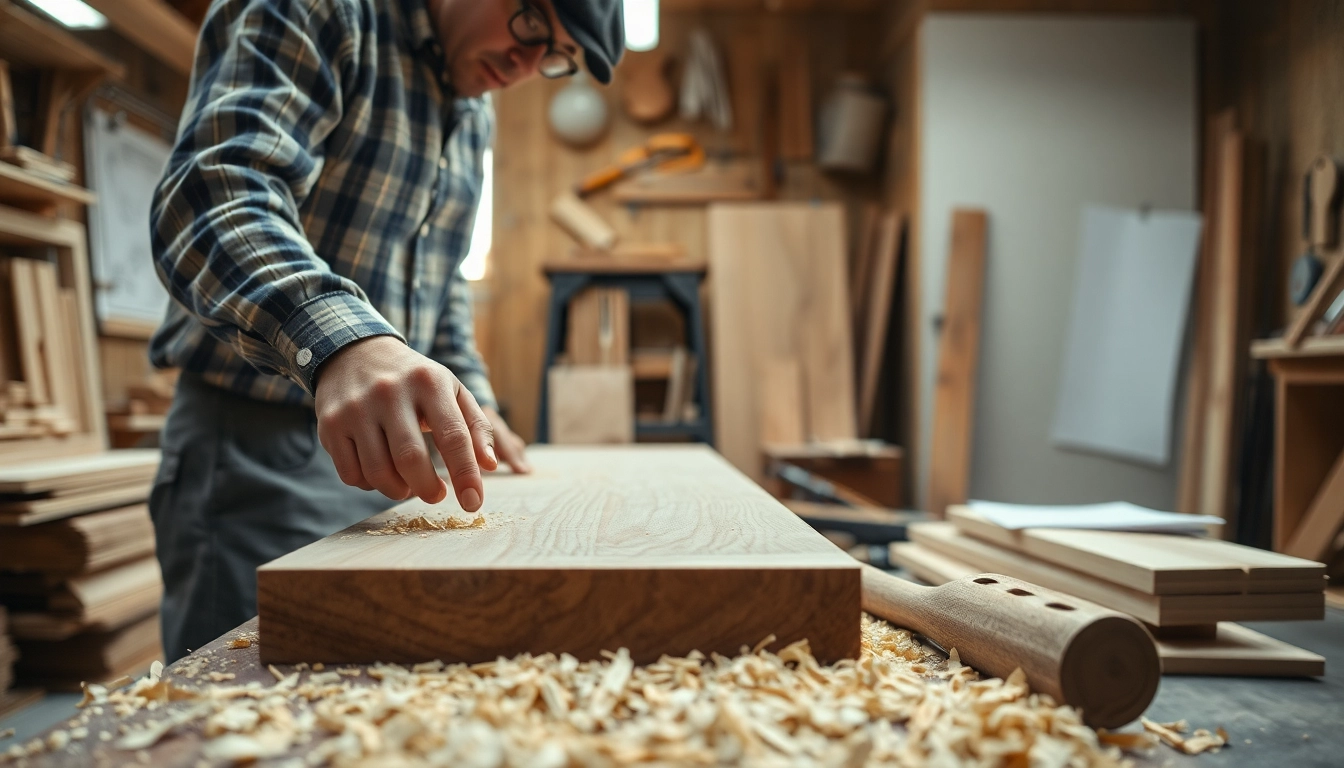
Understanding Cabinet Refacing
What is Cabinet Refacing?
Cabinet refacing is a cost-effective solution to transform your kitchen or bathroom without the hassle of a complete remodel. Instead of replacing the entire cabinet structure, refacing involves updating the visible parts of the cabinets—specifically, the doors, drawer fronts, and any exposed surfaces. This service not only revitalizes the look of your cabinetry but also minimizes waste and time spent on renovations. The refacing process typically includes applying a new veneer or laminate to the cabinet boxes and installing new doors and hardware.
Benefits of Cabinet Refacing
Cabinet refacing offers several advantages for homeowners looking to upgrade their space while maintaining budget and efficiency. One major benefit is cost savings; refacing is generally less expensive than complete cabinet replacement. Additionally, the process can often be completed in a matter of days rather than weeks, meaning less disruption to your daily routine. Refacing also allows for a range of customizable options, giving you the chance to choose new colors, finishes, and styles that better match your personal taste. Furthermore, by reusing existing cabinet frames, refacing is an eco-friendly choice that reduces waste.
Key Differences Between Refacing and Replacing
Understanding the difference between cabinet refacing and replacing is essential for making an informed choice. The main distinction lies in the scope of the work. Refacing retains the existing cabinet boxes while only replacing the outward-facing components. This approach addresses aesthetic changes while preserving the original structure, which is both time efficient and cost-effective. Conversely, replacing cabinets means a full tear-out of old cabinetry and installation of brand-new units, which can be significantly more expensive and time-consuming. For a fresh look without extensive remodeling, Cabinet Refacing Largo FL is often the preferred solution.
Choosing the Right Materials
Types of Materials for Cabinet Refacing
When it comes to cabinet refacing, the choice of materials is critical to achieving the desired look and durability. Common materials used in the refacing process include veneer, laminate, and solid wood. Veneer, which is a thin layer of real wood, provides the appearance of solid wood while being lightweight and affordable. Laminate, on the other hand, is a synthetic material that offers a variety of colors and patterns, making it versatile and scratch-resistant. Solid wood refacing provides a luxurious and high-quality feel but can be on the pricier side. Each material has its unique advantages, and choosing the right one depends on your design preferences and budget.
Finishes and Colors Options
The finish and color of your cabinets can dramatically influence the overall aesthetic of your space. Popular finishes include matte, satin, and high-gloss options, each yielding different visual effects and textures. Neutral colors, like white, gray, and beige, are timeless choices that can blend seamlessly with various decor styles, while bolder colors, such as navy blue or deep green, can create a striking focal point. Additionally, consider using stains or transparent finishes to highlight the natural beauty of wood grain in your refacing project.
Choosing Eco-Friendly Options
In today’s environmentally conscious world, many homeowners seek eco-friendly materials for their renovations. When refacing cabinets, look for products that are certified by organizations like the Forest Stewardship Council (FSC), indicating sustainable sourcing practices. Low-VOC (Volatile Organic Compounds) paints and finishes minimize harmful emissions during and after installation, contributing to healthier indoor air quality. Choosing recycled materials or responsibly-sourced wood can also make a positive environmental impact and reflect your values in your home design.
The Refacing Process Explained
Initial Consultation and Design
The cabinet refacing process typically begins with an initial consultation. During this meeting, a professional will assess your current cabinets, discuss your vision, and gather essential measurements. Together, you’ll explore the various materials, colors, and styles that align with your goals. This collaboration ensures that you understand all available options and can make informed decisions tailored to your preferences and your home’s aesthetic. Some services may even provide digital renderings to help visualize the transformation.
Preparation and Removal of Old Facings
Once the design is finalized, the preparation phase begins. This involves cleaning the existing cabinet frames and removing old doors, drawer fronts, and hardware. Proper surface preparation is crucial for ensuring that the new materials adhere securely and achieve a flawless finish. Depending on the condition of your existing cabinetry, repairs may also be necessary to ensure a sturdy foundation for the new faces and structures.
Installation and Finishing Touches
Following the preparation, the actual refacing process begins with the installation of new doors, drawer fronts, and any additional features like crown molding or decorative panels. The new veneer or laminate is applied to the cabinet boxes, ensuring a cohesive look. The final steps include installing fresh hardware, such as knobs and pulls, which can make a huge difference in the overall appearance of your cabinets. After everything is in place, a thorough cleaning and inspection of the project will conclude the installation process, leaving you with beautifully updated cabinetry.
Cost Considerations for Cabinet Refacing
Estimating the Budget
Estimating your budget for cabinet refacing can help you make informed decisions about materials, style, and additional features. Depending on factors such as the size of your kitchen, the quality of materials chosen, and the complexity of the design, costs can vary significantly. On average, homeowners can expect to spend anywhere from $2,000 to $8,000 on a cabinet refacing project, which is considerably less than full cabinet replacement costs, often exceeding $10,000. Accurately assessing your budget will guide your selection process.
Factors Affecting Costs
Several factors influence the overall cost of cabinet refacing. The type and quality of materials chosen can dramatically alter the price, with solid wood and high-end finishes typically costing more than laminate options. Additionally, the scope of your project, such as whether you are refacing just kitchen cabinets or including bathroom cabinetry, will affect labor costs and time. Custom designs or intricate features can also increase expenses, making it essential to prioritize your needs while staying within budget.
Cost Comparison: Refacing vs. Replacing
Understanding the financial differences between refacing and replacing cabinets is crucial when deciding on your renovation approach. On average, cabinet refacing can cost anywhere from 30% to 50% less than a complete replacement. While refacing offers a fresh and modern look, replacing cabinets might be necessary if your existing structures are damaged beyond repair or if an entirely new layout is desired. Comparing both options not only helps with budgeting but also provides insight into the long-term benefits associated with each approach.
FAQs About Cabinet Refacing
How long does the cabinet refacing process take?
The cabinet refacing process usually takes between 3 to 5 days, depending on the scope of the project. This timeframe includes the consultation, design, preparation, installation, and final touches.
Is cabinet refacing suitable for all kitchen styles?
Yes, cabinet refacing can be customized to suit various kitchen styles, from contemporary to traditional. By choosing the right materials, finishes, and hardware, you can achieve a cohesive and stylish look.
Can I refinish cabinets myself, or should I hire a professional?
While DIY refinishing is possible, cabinet refacing is often best handled by professionals who have the necessary expertise and tools for a seamless finish. Professionals also ensure proper installation and adherence to safety standards.
What types of finishes are available for cabinet refacing?
Cabinet refacing offers a variety of finishes including matte, satin, semi-gloss, and high-gloss. Each finish provides a different aesthetic and maintenance level, so choosing one that complements your style is vital.
How do I maintain my refaced cabinets?
Maintaining refaced cabinets involves regular cleaning with a mild detergent and avoiding harsh chemicals. Keep surfaces dry and consider reapplying protective finishes as needed to extend their lifespan.