Understanding the Role of a Cabinet Maker
Definition and Skills of a Cabinet Maker
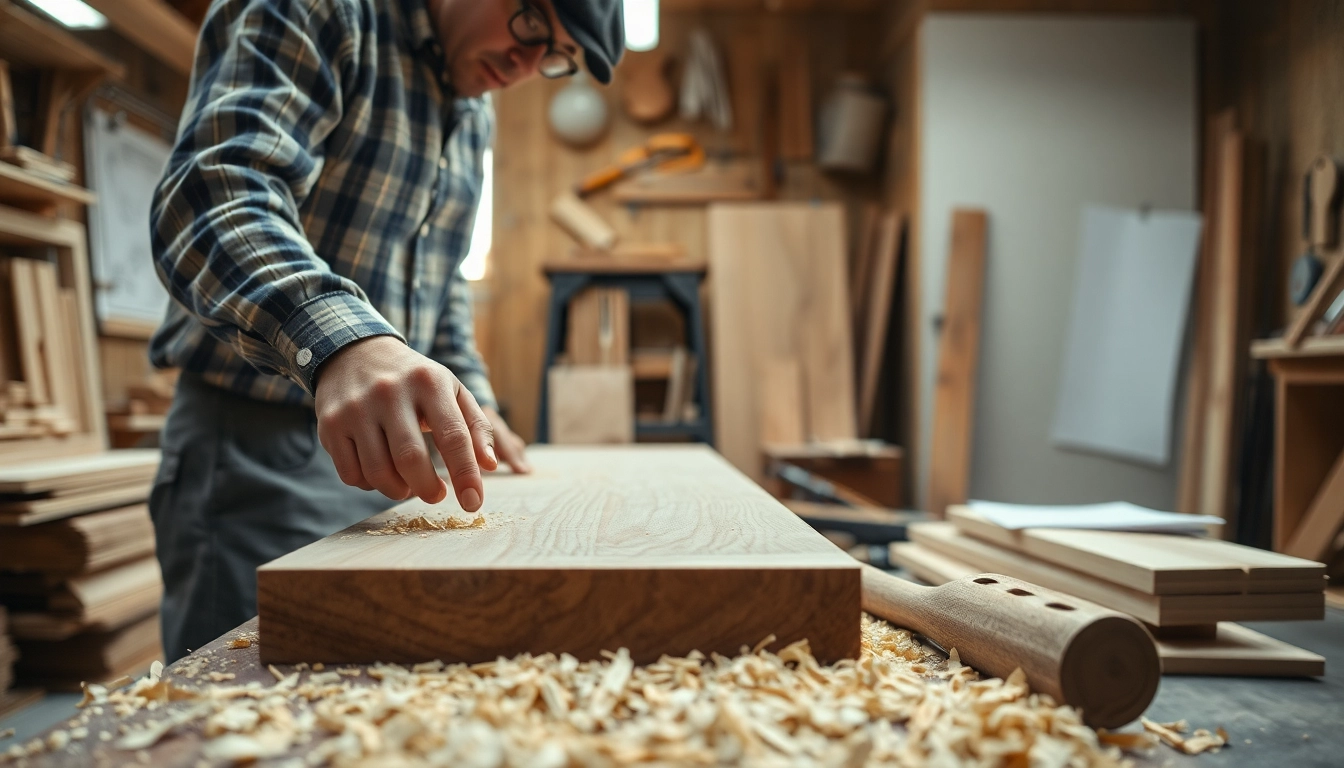
A cabinet maker is a highly skilled artisan specializing in crafting and installing cabinets, furniture, and other wooden items. Their craft combines precision, design savvy, and woodworking techniques to create functional yet aesthetically pleasing pieces. A cabinet maker’s skills extend beyond mere carpentry; they must also have a strong understanding of materials, design principles, and customer preferences.
Critical skills for a cabinet maker include woodworking, attention to detail, design interpretation, measurement accuracy, problem-solving, and proficiency with various tools. They often use both traditional techniques and modern machinery, which makes them versatile and capable of handling a range of projects.
Types of Cabinet Makers and Their Specialties
Not all cabinet makers work in the same way or focus on the same types of projects. Generally, they can be categorized into a few distinct types based on their specialties:
- Custom Cabinet Makers: These craftsmen create bespoke cabinetry tailored to specific customer requirements, considering both functionality and design.
- Furniture Makers: While similar, these artisans focus on creating furniture pieces, which may involve cabinetry as part of larger projects.
- Production Cabinet Makers: Often working in factories, they produce standardized items in bulk, focusing more on volume and efficiency than customization.
- Restorative Cabinet Makers: These cabinet makers specialize in restoring vintage or damaged cabinetry to its former glory, involving significant skill in both woodworking and design history.
Tools and Techniques Used by Cabinet Makers
The toolbox of a cabinet maker is quite extensive, incorporating a blend of traditional hand tools and modern machinery. Essential tools include:
- Saws: Table saws, circular saws, and jigsaws for cutting wood to the correct dimensions.
- Chisels: Used for fine detail work and shaping joints.
- Planers: For smoothing and finishing wood surfaces.
- Router: Helpful in creating decorative edges and grooves in cabinetry.
- Sanders: For finishing surfaces and preparing wood for staining or painting.
Techniques can range from traditional hand joinery methods, such as dovetailing and mortise-and-tenon joints, to modern techniques like CNC cutting and laser engraving that enhance precision and efficiency.
Benefits of Custom Cabinets from a Cabinet Maker
Personalization and Fitting
One of the primary advantages of engaging a cabinet maker for custom cabinetry is the level of personalization offered. Unlike mass-manufactured cabinets, bespoke designs are tailored to fit the specific dimensions and layouts of your space. This ensures optimal use of available space, accommodating unique architectural features or design preferences.
Furthermore, customization allows customers to select materials, finishes, and hardware that reflect their personal style. Features can be added based on individual needs, such as soft-close hinges, pull-out shelves, or integrated lighting.
Quality and Longevity
Investing in custom cabinetry crafted by a skilled cabinet maker typically yields higher quality than factory-produced items. These cabinets are constructed using solid woods, premium materials, and superior craftsmanship, which enhances durability and longevity. Many custom cabinets are designed to last a lifetime, whereas mass-produced alternatives often show wear and tear much sooner.
This focus on quality resonates well with homeowners looking to create a lasting investment in their property, increasing both functionality and aesthetic appeal.
Design Versatility for Every Space
Custom cabinets offer unparalleled design versatility, making them suitable for any room, from kitchens to bathrooms, home offices, and living spaces. A cabinet maker can create unique layouts accommodating niche spaces, unseen corners, or existing architectural elements.
Additionally, they are adept at incorporating innovative storage solutions, which maximize efficiency and help to keep spaces organized. This versatility ensures that homeowners can achieve their desired look and functionality without compromise.
Choosing the Right Cabinet Maker for Your Project
Key Questions to Ask Potential Cabinet Makers
When selecting a cabinet maker, it is crucial to ask pertinent questions to ensure that their expertise aligns with your project needs. Consider asking:
- What materials do you prefer or recommend for my project?
- Can you provide references from previous clients?
- How will you handle unforeseen issues that may arise during the project?
- What is your timeline for completing this project?
- Do you offer warranties or guarantees for your work?
Evaluating Portfolios and Previous Work
A vital step in choosing the right cabinet maker is to evaluate their portfolio. This can give you insight into their style, quality of work, and experience with projects similar to yours. Look for:
- Variety: A diverse portfolio suggests versatility in design and techniques.
- Attention to Detail: Look closely at joins, finishes, and overall craftsmanship.
- Client Testimonials: Reviews can provide insight into the maker’s reliability and work ethic.
Meeting with potential cabinet makers in person to view their finished projects can offer further assurance of their capabilities.
Understanding Pricing and Estimates
Pricing can vary greatly among cabinet makers, depending on their expertise, location, and the complexity of the project. When discussing pricing, ensure that you understand:
- The cost breakdown: Materials, labor, and any additional fees.
- Estimates versus final costs: Clarify whether the estimate could change based on project needs.
- Payment schedules: Understanding when payments are due can help in budgeting.
Be wary of pricing that appears unusually low; quality craftsmanship requires a fair investment.
How a Cabinet Maker Transforms Your Space
Case Studies of Successful Cabinet Maker Projects
Concrete examples of successful cabinet maker projects can shed light on the transformation achievable through customized carpentry. For instance, a couple reimagined their cramped kitchen by engaging a cabinet maker to design multi-functional cabinets that included space for small appliances, storage for cooking utensils, and an eat-in breakfast nook.
In another case, a home office was redefined with custom cabinetry that integrated shelving, a workspace, and hidden compartments for supplies. The end result showcased the homeowner’s personality and increased the functionality of the space dramatically.
Innovative Trends in Cabinet Design
Current trends in cabinet design include a mix of contemporary aesthetics and smart functionality. Popular movements involve:
- Minimalist Designs: Clean lines and unadorned finishes highlight simplicity.
- Mixed Materials: Combining wood with metals or glass for a unique look.
- Smart Cabinets: Integration of technology, such as automated lighting and charging stations, into cabinetry.
Staying up-to-date with these trends can help you make informed decisions when working with a cabinet maker.
Maximizing Storage and Functionality
Custom cabinetry is renowned for its ability to enhance storage and functionality within spaces. Cabinet makers can design solutions that fit precisely into existing spaces, thus eliminating waste and optimizing usage. Examples include:
- Pull-out drawers in kitchen cabinets designed specifically for spices and pans.
- Vertical shelving in living areas to accommodate books and decorative items without cluttering surfaces.
- Custom closet designs to maximize space in bedrooms, offering tailored solutions for different storage needs.
By integrating these features, homeowners can enjoy organized spaces that also reflect their individual style and preferences.
Frequently Asked Questions About Cabinet Makers
What should I expect from a cabinet maker?
Expect a thorough consultation, detailed designs, quality craftsmanship, and ongoing communication throughout the project.
How long does it take to create custom cabinets?
The timeline varies based on complexity but typically ranges from a few weeks to several months, including design and installation.
What materials do cabinet makers typically use?
Common materials include hardwoods like oak, maple, and cherry; plywood; and laminates, depending on the desired aesthetics and budget.
Can cabinet makers work with existing cabinetry?
Yes, many cabinet makers can retrofit existing cabinetry or create new pieces that complement your current setup.
What is the average cost of hiring a cabinet maker?
Costs can vary widely, with averages ranging from $300 to $1,200 per linear foot, depending on design complexity, materials, and craftsmanship.